
Aleasa Word
VP, Inclusion Initiatives
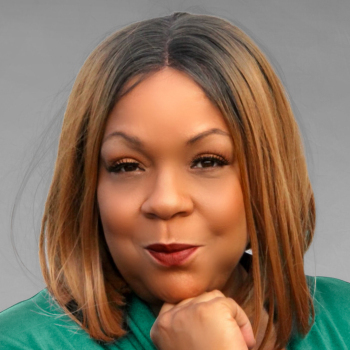
Aleasa Word
Vice President, Inclusion Initiatives
For many years, I was a mom of one. That changed 11 years later with the birth of my second son. To round out our family, we had a daughter two years later.
When my daughter was 13 months old, I felt it was time to wean her and transition to cow’s milk. She did not do well, and we quickly found out that she had a lot of food allergies to contend with. I was confident things would be okay until I went to the grocery store with my list of allergens and quickly realized how many products contained these allergens. Wheeling my cart down aisle after aisle, I felt increasingly sad and defeated, until I stopped in the middle of an aisle and cried, with my daughter sitting in the cart and my younger son standing by my side. We finally left the store with far fewer items than I had planned to buy.
I tried to find support, but there weren’t any people dealing with food allergies in my community. I found a local support group, but they didn’t share the same dynamics as my community. I had to find a way to be an advocate, although I didn’t have one clue what to do. I figured it out because I had to. I wanted to help everyone, especially people who seemed to be underrepresented in the food allergy community – people who looked or lived like me. Soon I found many people of color and others with deep ties to their cultures of origin who were in the same predicament I was in. It was both comforting and heartbreaking.
Over time, with kids in tow, I began working with local groups and even started a business to train small daycares on the dangers of not taking food allergy safety seriously. I talked about food allergies everywhere I went. I made sure childcare programs and schools provided safe food alternatives for allergic children. I educated aftercare programs and even churches about cross-contamination. My middle son became a food allergy protector for his sister. Even when my daughter endured bullying at school about her food allergies, we never quit, and she never let it stop her from living a full life every day. She did, however, seem to have more health issues. One day, after calling the paramedics, we were finally on our way to finding a diagnosis for issues that had plagued her for years: Eosinophilic Esophagitis. It took quite a while to identify her triggers and her diet was all over the place, but we did it. We were on a good path. A few years later, my middle son was diagnosed with a food allergy. Fortunately, with all the times he’d been there when his sister faced exposure to allergens, he knew to take it seriously for himself, his sister, and others.
I have a lot of gratitude for the many people who helped us along this journey. And I have one desire when it comes to food-allergic living: I want to make the RESPECT for food-allergic living so routine that everyone feels included in every event at every school and in every community.