Back to the Sports Field: Inclusion Belongs on Every Roster
Subcategories
Back to the Sports Field: Inclusion Belongs on Every Roster
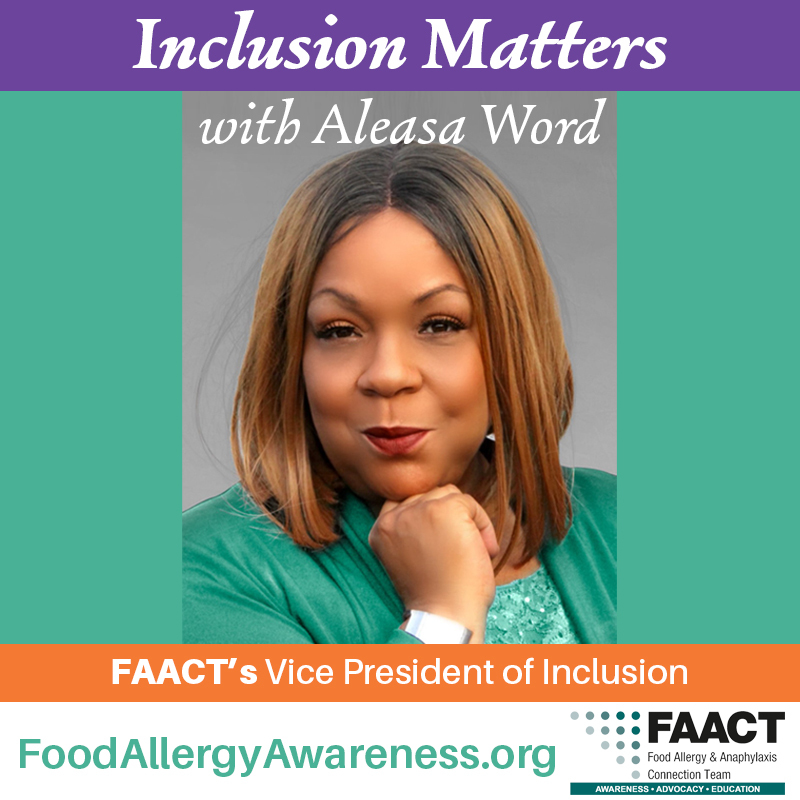
by Aleasa Word, FAACT Vice President of Inclusion Initiatives
September 2026
Fall sports season brings everything from new cleats to new schedules, and for a lot of kids, a new team to figure out how to belong in. For a child managing food allergies, that sense of belonging depends on more than just talent or hustle—it depends on whether the adults around them have built a team culture where their safety is treated as given instead of an afterthought. When that groundwork is missing, a child ends up spending practice managing anxiety instead of playing the game, and that is a loss for the entire team.
Building an inclusive team in youth sports does not require a major overhaul. It requires a handful of habits that coaches and parents can fold into what they are already doing. Once those habits are in place, they tend to stick because they make the season easier for everyone.
Start with something as simple as snacks. Most youth teams run a rotation where parents take turns bringing something for the team to enjoy after the game or during a break in practice. If a parent does not know which allergies are on the roster, they might bring something that means one kid has to sit out on the snack everyone else is enjoying. Asking the team manager or coach what allergies are in play before you sign up for your turn takes two minutes and changes the entire experience for that child. Bringing an allergy-friendly snack is not about singling out one kid for special treatment. It is about making sure the entire team eats the same thing at the same time, which is what belonging looks like.
Coaches hold greater responsibility because they are often the first person on the scene if something goes wrong. A child with multiple food allergies may be carrying more than one action plan, especially if they have an accompanying health condition such as asthma. Those plans are most useful if the coach has read them before the season starts, not in the midst of an emergency. That means knowing where the epinephrine auto-injectors are kept during practice and games, keeping them temperature-controlled, knowing who on the coaching staff is trained to administer or assist, and knowing what the plan says step by step. Treating that preparation as optional, or as something to figure out later, puts a child’s safety at risk.
Action plans work best when they are part of the team routine and not just stuck in a backpack. It is common for parents to hand over a folder of paperwork at the start of a season and assume their work is done. But a plan sitting in the coach’s bag does nothing if the assistant coach, the team parent running snack duty, or the teammate sitting next to the child with the allergy during a road trip has no idea it exists. And yes, there is something to be said about privacy; however, one must cautiously weigh that against safety. Sharing the basics with the full circle of adults around the team, and even with teammates in an age-appropriate way, turns paperwork into something the entire group understands. This then becomes something they can act on. That shift alone can prevent confusion and delay that make allergic reactions even more dangerous.
Buddy systems are another avenue worth exploring. Pairing a child who manages food allergies with a teammate who understands the basics of speaking out in an emergency and can keep an eye out during mealtimes or travel builds real friendship and empathy. It also creates another layer of safety. This is not to say the responsibility is on the buddy. However, it is one of the many ways we can find additional support, depending on the age and comfort level of teammates. It also helps children know that they are normalized within their peer group. Many kids don’t want extra attention, and this can help safely provide a feeling of belonging. It gives them more ease when they need to speak out or have been exposed to an allergen. Buddy systems reframe this as another part of teamwork and teambuilding.
None of this asks the team to slow down or turn one child’s needs into a big production. It asks the adults around the team, coaches and parents alike, to build a small set of habits into the season that protects every child. A few practical steps worth putting in place before the season gets rolling: confirm which allergies are on the roster, make sure action plans are shared with everyone who needs them, keep emergency medication accessible and understood, and set up a buddy system for kids who want one. None of these steps take much time, and all of them send a message to youth on the team that they belong exactly as they are.
That is the culture worth building this fall, both on the field and off. A team that plans ahead for food allergies is a team that pays attention to its kids, and that kind of attention shows up in everything else the team does too. Inclusion is not a separate initiative running alongside the season. It is the season, built the right way from the start by factoring in inclusion as the norm.