Safety Does Not Have a Price Tag: How Families Make Food Allergy Life Work
Subcategories
Safety Does Have a Price Tag: How Families Make Food Allergy Life Work
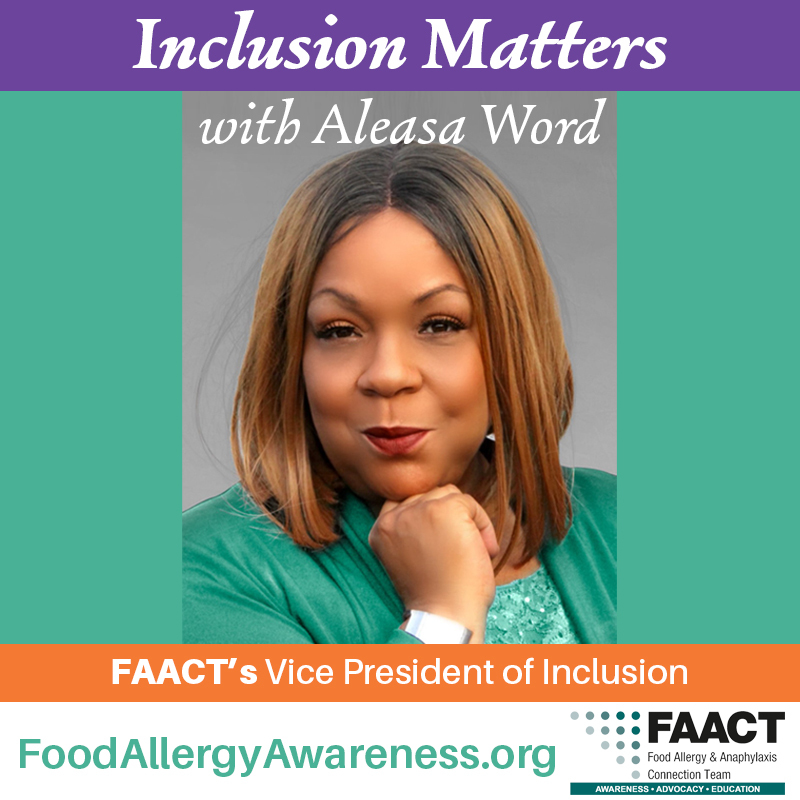
by Aleasa Word, FAACT Vice President of Inclusion Initiatives
August 2026
If you have ever stood in a grocery store aisle comparing the price of an allergen-friendly product to the conventional version beside it and felt your stomach drop, you already know what this blog is about. Managing a food allergy in an economy that keeps stretching family budgets thinner is one of the burdens that the food allergy community does not always talk about.
The goal of keeping an allergic family member safe is universal. The path to that goal looks different depending on what a family has access to, and every single one of those paths deserves to be seen, respected, and supported. That is what inclusion in the food allergy community means. Not everyone arrives at the intersection of safety and belonging the same way, but everyone belongs in the conversation about how to get there.
This blog is for families who are making it work creatively, practically, and with fewer resources than the food allergy marketplace assumes you have. You are not doing it wrong. You are doing what families have always done: adapting.
The Cost of Food Allergy Management Is Not Always Equal
Let’s be honest: specialty allergy-safe products are often expensive. Allergy-friendly bread, dedicated-facility snacks, and label-verified baked goods can cost two to three times more than their conventional counterparts. Add the cost of epinephrine auto-injectors, allergist copays, and the occasional urgent care visit, and the financial weight of managing a serious food allergy is significant.
For families already stretched by rising housing costs, inflation at the grocery store, and stagnant wages, specialty products are not always an option. This does not make those families less committed to their loved one’s safety. It makes them resourceful in ways the food allergy community should be celebrating.
When food allergy education, social media content, and community resources are built around the assumption that every family can access a full range of specialty products, we can leave a significant portion of the allergy community feeling invisible. Belonging means making sure the family buying store brands feels just as seen as the family ordering premium brand items.
Budget-Friendly Safety Strategy
One of the most effective and underrated strategies for managing food allergies is also one of the oldest: cooking from whole, single-ingredient foods. Rice, beans, fresh vegetables, plain meats, eggs (for those without egg allergies), and fruits are usually free from the complex ingredient lists that make label reading a full-time job. When you control what goes into a dish from the start, the cross-contamination risk from shared manufacturing facilities can drop significantly (although this does not absolve us from reading labels carefully).
Here are a few practical whole-food strategies that support allergy safety:
- Batch cook safe meals on weekends to reduce the pressure of daily meal decisions and limit exposure to unfamiliar ingredients during busy weeknights.
- Buy frozen fruits and vegetables when fresh produce is out of budget or unavailable. Frozen produce is picked and processed quickly, which often means shorter ingredient lists and fewer additives to vet.
- Learn a small rotation of safe, reliable meals that your allergic family member loves and that you can make with confidence. Predictability in the kitchen is a safety tool, not a limitation.
Reading Labels Is a Skill That Belongs to Everyone
One of the most equalizing tools in food allergy management costs nothing: knowing how to read a label. The Food Allergy Safety, Treatment, Education, and Research Act, known as FASTER, expanded the list of major allergens required to be labeled on U.S. packaged foods to include sesame. That legislation exists to protect every consumer, regardless of income.
Understanding how to read an ingredient list, what "may contain" and "processed in a facility" statements mean, and how to identify hidden allergen names gives families real shopping power. FAACT offers free resources on allergen labeling on everything from food to medication. Knowledge is one of the most durable safety investments you can make, and it does not go up in price.
Navigating Epinephrine Costs and Access
Epinephrine is non-negotiable for anyone with a diagnosed severe food allergy. It is also, depending on insurance coverage and where you live, one of the most frustrating costs families face. This is a systemic problem, not a personal failure, and one the food allergy advocacy community continues to fight.
Generic epinephrine devices are often available at significantly lower price points than brand-name devices and work the same way. Manufacturer assistance programs can help families who qualify based on income. Some states have legislation allowing schools to stock undesignated epinephrine, which provides an additional layer of protection for children.
If cost has ever caused you to delay refilling an epinephrine prescription or send your child somewhere without it, you are not alone. Talk to your allergist to find the most affordable option for your family.
Community Resources Matter
Families with more financial flexibility may also have more time to research options, the ability to hire a knowledgeable caregiver, or the option to choose a school with a more robust allergy policy. Families with fewer financial resources often compensate with something equally powerful: community.
Word of mouth within a trusted community about which store brands are safe, which restaurants actually take allergies seriously, and which school staff members are the most reliable allies is information that costs nothing and travels fast. Online food allergy communities, local parent groups, and organizations like FAACT exist precisely to make that kind of peer knowledge accessible to everyone.
If you are a family with more resources, consider how you share what you know. Recommending a specialty product without acknowledging the price point can unintentionally exclude families from a conversation they need to be in. Lead with information that serves the widest range of people in the room. That is what belonging looks like in practice.
What the Food Allergy Community Can Do for Every Family
Inclusion in the food allergy community cannot stop at representation. It has to extend to access. That means creating educational content that does not assume a premium budget. It means offering resources in plain language without unnecessary jargon. It means recognizing that a family doing their best with what they have is not a family doing less to keep their person safe.
Families that cook from scratch because specialty products are not in the budget belong here. Parents who drive an extra 40 minutes to a grocery store with good labeling practices belong here. Caregivers who memorize every ingredient in every meal they make belong here. They all share the same goal: safety.
Different Paths, Same Destination
There is no single correct way to manage a food allergy. There is no income level that makes you a better advocate for your allergic family member. There are a thousand different roads that all lead to the same place, and every family on every one of those roads is making choices rooted in love, in vigilance, and in the fierce determination not to let their guard down.
The economy is hard. The cost of living is real. And none of that changes the fact that you are showing up for your family every single day with the resources you have. That is not a lesser version of food allergy management. That is the full version, lived honestly. You belong in this community. Your approach belongs in this conversation. And your family's safety matters just as much as anyone else's.